
Insuring a classic car requires specialized coverage that standard auto insurance policies don’t provide. The three dominant players in classic car insurance—Hagerty, Grundy, and agreed value policies from various carriers—each offer distinct advantages and limitations. Understanding how these options compare helps you select coverage that protects your investment while fitting your usage patterns and budget.
This article includes affiliate links. We may earn a commission at no extra cost to you.
Why Classic Cars Need Specialized Insurance
Standard auto insurance treats cars as depreciating assets. A 2020 Honda Civic loses value every year, so insurance pays less after an accident than when you bought it. Classic cars behave differently—they maintain or increase in value. A 1970 Chevelle worth $60,000 today might be worth $70,000 in five years.
Standard policies also don’t account for classic car usage patterns. These vehicles aren’t daily drivers—they’re driven sparingly, stored carefully, and maintained meticulously. Specialized insurers recognize these differences and price coverage accordingly, often costing 30-50% less than standard policies while providing better protection.
Hagerty: The Industry Leader
Company Background
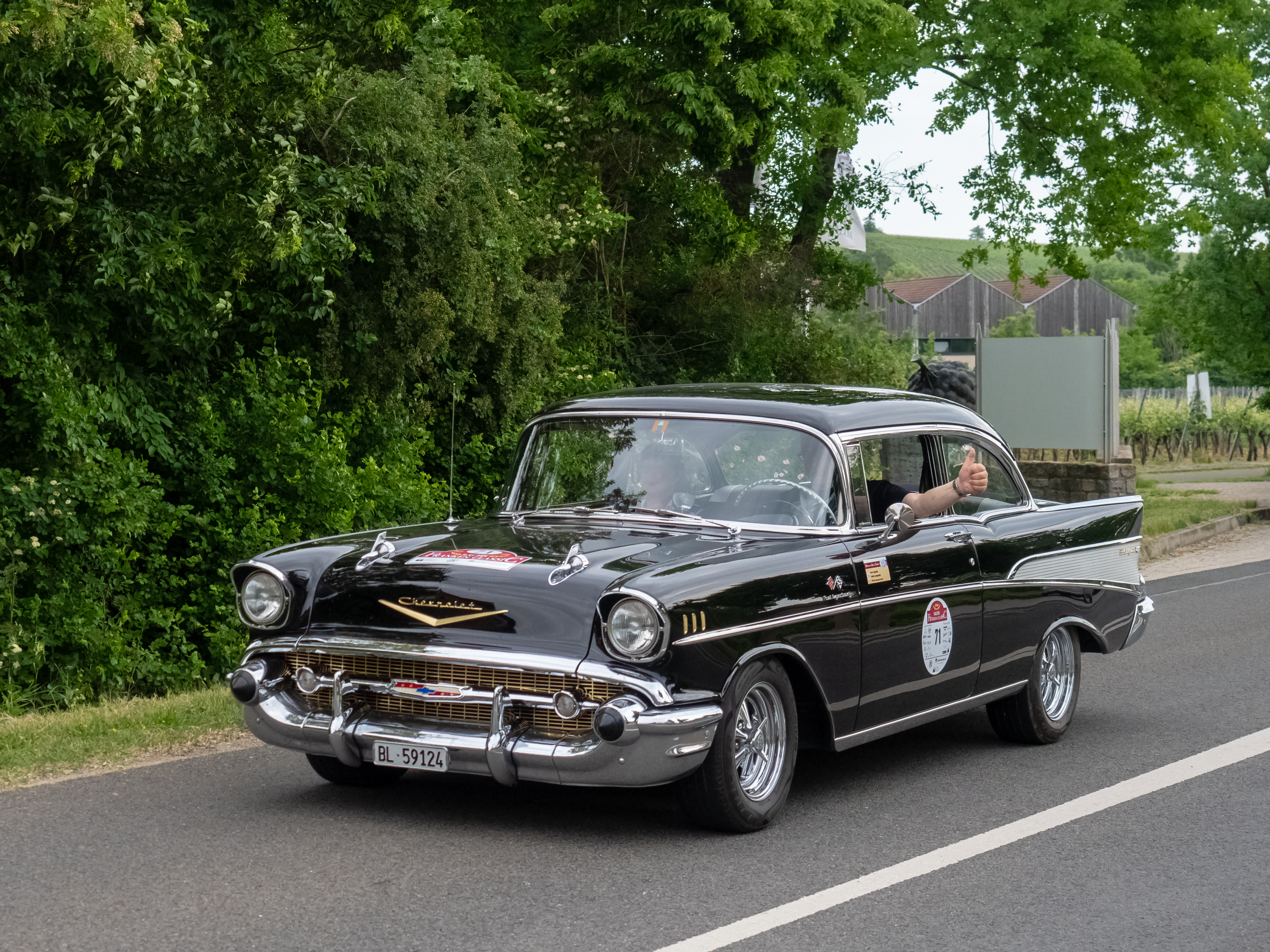
Hagerty insures more collector vehicles than any other company—over 2.4 million vehicles. Founded in 1984, the company has become synonymous with classic car insurance. They also publish the influential Hagerty Price Guide, produce automotive content, and operate a robust enthusiast community.
Hagerty Coverage Details
Agreed Value Coverage: You and Hagerty agree on your car’s value upfront. In a total loss, they pay the agreed amount without depreciation arguments. Values can be updated annually as appreciation occurs.
Flexible Usage: Pleasure driving, club events, exhibitions, occasional tours all covered. No strict mileage limits but they expect limited use (typically under 5,000 miles annually for most policies).
Spare Parts Coverage: Hagerty includes coverage for spare parts and tools related to your classic, which most policies exclude.
Roadside Assistance: Flatbed towing and emergency roadside service included with most policies, recognizing that classic cars sometimes need specialized help.
Multi-Vehicle Discounts: Insuring multiple classics with Hagerty provides discounts, and they don’t limit how many vehicles you can insure.
Hagerty Requirements
- Vehicle must be stored in an enclosed, locked garage
- Driver must have a regular-use vehicle for daily driving
- Drivers typically 25+ years old with good driving records
- Vehicle must be maintained in good or better condition
Hagerty Costs
Premiums vary widely based on agreed value, location, driving record, and vehicle type. Typical examples:
- $30,000 1967 Mustang: $300-500 annually
- $60,000 1970 Chevelle: $500-750 annually
- $100,000 Corvette: $800-1,200 annually
These rates are roughly 40-60% less than comparable standard insurance coverage.
Hagerty Strengths
- Industry expertise and collector car focus
- Excellent claims service with staff who understand classics
- Flexible agreed value adjustments
- Strong brand reputation in the community
- Additional benefits like magazine subscriptions and event access
Hagerty Weaknesses
- Not always the absolute cheapest option
- Storage requirements can be strict
- Some customers report increased scrutiny on claims
Grundy Insurance: The Challenger
Company Background
Grundy has insured collector cars since 1947, making them one of the oldest specialized classic car insurers. They’re smaller than Hagerty but maintain a loyal customer base attracted by their straightforward policies and competitive pricing.
Grundy Coverage Details
Agreed Value (Guaranteed Value): Similar to Hagerty, Grundy offers agreed value coverage with no depreciation. They call it “Guaranteed Value” but the concept is identical.
Unlimited Mileage: This is Grundy’s signature feature—no mileage restrictions on pleasure use. Drive as much as you want for shows, events, or enjoyment. This appeals to owners who actually drive their classics regularly.
No Deductible Options: Grundy offers $0 deductible policies, eliminating out-of-pocket costs for covered claims.
Coverage includes spare parts, tools, and car-related memorabilia kept with the vehicle.
Grundy Requirements
- Enclosed storage required
- No usage for regular transportation (must have daily driver)
- Driver must be 25+ with clean driving record
- Vehicle must meet their definition of collector car (typically 25+ years old)
Grundy Costs
Grundy often comes in slightly cheaper than Hagerty for comparable coverage:
- $30,000 classic: $250-450 annually
- $60,000 classic: $450-700 annually
- $100,000 classic: $700-1,100 annually
Grundy Strengths
- Unlimited mileage for pleasure use
- Often lower premiums than competitors
- $0 deductible options
- Simplified policies, less bureaucracy
- Long history and strong financial stability
Grundy Weaknesses
- Smaller company means fewer resources than Hagerty
- Less brand recognition and community presence
- Some owners report slower claims processing
- Fewer additional perks compared to Hagerty
Agreed Value Policies from Standard Insurers
Major insurance companies (State Farm, Nationwide, American Modern, etc.) offer agreed value classic car policies competing with specialist insurers.
How They Work
These policies function similarly to Hagerty and Grundy—agreed value coverage for collector vehicles stored securely and used occasionally. Terms vary by carrier but generally include mileage limits and usage restrictions.
Advantages of Standard Insurers
Bundling discounts: If you already have home and auto insurance with a major carrier, adding classic car coverage might provide package discounts.
Single point of contact: Managing all insurance through one company simplifies administration.
Established claims infrastructure: Major insurers have extensive networks for repairs and claims handling.
Sometimes more flexible usage: Some carriers allow occasional commuting or broader use than specialist insurers.
Disadvantages of Standard Insurers
Less collector car expertise: Claims adjusters may not understand classic car values or restoration costs.
Often more expensive: Premiums frequently run 20-40% higher than Hagerty or Grundy for equivalent coverage.
Stricter mileage limits: Many cap annual mileage at 2,500-3,000 miles vs. Hagerty’s more flexible approach.
Less collector-focused service: No spare parts coverage, limited understanding of show use, rigid interpretation of policy terms.
Head-to-Head Comparison
Coverage Breadth
Hagerty: ★★★★★ – Comprehensive coverage including spare parts, tools, club premiums paid
Grundy: ★★★★☆ – Excellent coverage with unlimited mileage advantage
Standard Insurers: ★★★☆☆ – Good basic coverage but fewer collector-specific features
Cost
Hagerty: ★★★★☆ – Competitive but not always cheapest
Grundy: ★★★★★ – Often best pricing for equivalent coverage
Standard Insurers: ★★★☆☆ – Generally more expensive unless bundling provides significant discounts
Claims Experience
Hagerty: ★★★★★ – Industry-leading reputation, adjusters understand classic cars
Grundy: ★★★★☆ – Good service but smaller infrastructure
Standard Insurers: ★★★☆☆ – Variable, depends on specific adjuster’s classic car knowledge
Flexibility and Mileage
Hagerty: ★★★★☆ – Reasonable mileage expectations, flexible on usage types
Grundy: ★★★★★ – Unlimited mileage is huge advantage for drivers
Standard Insurers: ★★★☆☆ – Often strict mileage caps and usage restrictions
Additional Benefits
Hagerty: ★★★★★ – Magazine, events, community, roadside assistance, extensive resources
Grundy: ★★★☆☆ – Basic roadside assistance, fewer perks
Standard Insurers: ★★☆☆☆ – Minimal collector car-specific benefits
Which Insurance Is Right for You?
Choose Hagerty If:
- You want the most recognized brand in classic car insurance
- Additional community perks and resources matter to you
- You plan occasional driving (under 3,000-4,000 miles annually)
- You value collector car-specific expertise in claims
- You have multiple classics to insure
Choose Grundy If:
- You drive your classic more frequently (5,000+ miles annually)
- Lowest cost is your primary concern
- Unlimited mileage appeals to your usage plans
- You prefer simpler policies without extra services
- $0 deductible matters to you
Choose Standard Insurers If:
- You get significant bundling discounts (20%+)
- You prefer consolidating all insurance with one company
- Your classic has modest value (under $20,000) where savings matter less
- You need more flexible usage than specialist insurers allow
Important Policy Considerations
Agreed Value Updates
Classic car values change. Review your agreed value annually. If your car has appreciated, request an updated appraisal and increased coverage. Most insurers accommodate increases with minimal premium adjustment.
Storage Requirements
All specialist insurers require enclosed, locked storage. Violating this can void coverage. If you don’t have suitable garage space, factor storage costs into your ownership budget.
Usage Restrictions
Understand what’s allowed: pleasure driving, club events, shows, parades typically yes. Commuting, commercial use, racing, generally no. Violations can result in denied claims.
Regular-Use Vehicle Requirement
You must have another vehicle for daily transportation. Insurers won’t cover a classic as your only car. This requirement ensures the classic is truly a collector vehicle, not basic transportation.
Getting the Best Deal
Tips for minimizing classic car insurance costs:
Get multiple quotes: Quote Hagerty, Grundy, and at least one standard insurer. Prices vary significantly.
Accurate agreed value: Don’t over-insure (wastes money on premium) or under-insure (inadequate coverage). Use Hagerty Price Guide or recent comparable sales for realistic values.
Multi-vehicle discounts: If you have multiple classics, insuring them together provides savings.
Maintain good driving record: Violations increase premiums. Safe driving on your daily car keeps classic car insurance affordable.
Higher deductible: If you can afford $1,000 deductible vs. $500, premium savings add up over years.
Join car clubs: Some insurers offer modest discounts for car club membership.
The Bottom Line
For most classic car owners, Hagerty or Grundy provides the best combination of coverage, cost, and collector car expertise. Hagerty leads in reputation, resources, and community involvement. Grundy wins on unlimited mileage and often lowest cost.
Standard insurers make sense only when bundling discounts are substantial or when you need usage flexibility that specialist insurers don’t offer.
Whatever you choose, specialized classic car insurance costs far less than standard coverage while providing better protection tailored to collector vehicle usage. The $400-800 annual premium for agreed value coverage on a $50,000 classic represents excellent value compared to the $1,200-1,800 a standard policy might cost for inferior coverage.
Get quotes from multiple carriers, understand policy terms, and choose coverage that matches both your car’s value and your usage patterns. Your classic car represents a significant investment—protect it with insurance designed specifically for collector vehicles.


Stay in the loop
Get the latest classic car craze updates delivered to your inbox.