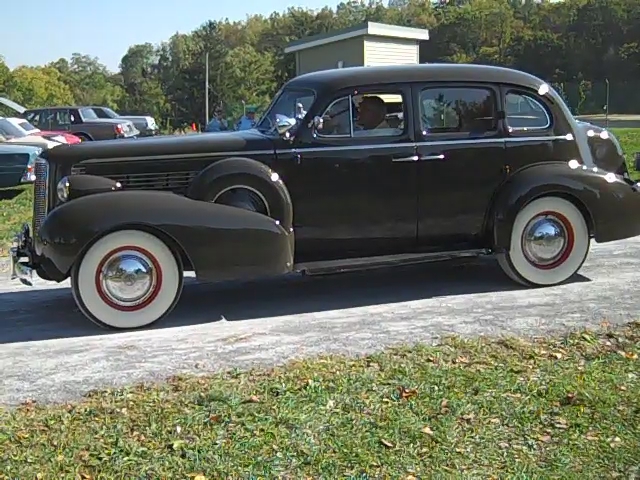
Registering your classic car under antique or historic vehicle provisions offers significant benefits, from reduced fees to exemptions from emissions testing. However, these programs come with restrictions that may or may not suit your ownership plans. Understanding the rules before applying prevents unpleasant surprises.
What Qualifies as Antique, Classic, or Historic
Terminology varies significantly between states, though all programs share the basic concept of recognizing older vehicles with limited use. Some states use “antique,” others prefer “classic,” “historic,” or “vintage.” Despite different names, these programs generally target the same vehicle population: older automobiles maintained as collector items rather than daily transportation.
Most programs require vehicles to be maintained in original or restored condition, or modified only with period-correct components. Vehicles substantially altered with modern drivetrains or extensively modified for racing may not qualify under standard antique provisions, though some states offer separate categories for street rods or custom vehicles.
Common Age Thresholds
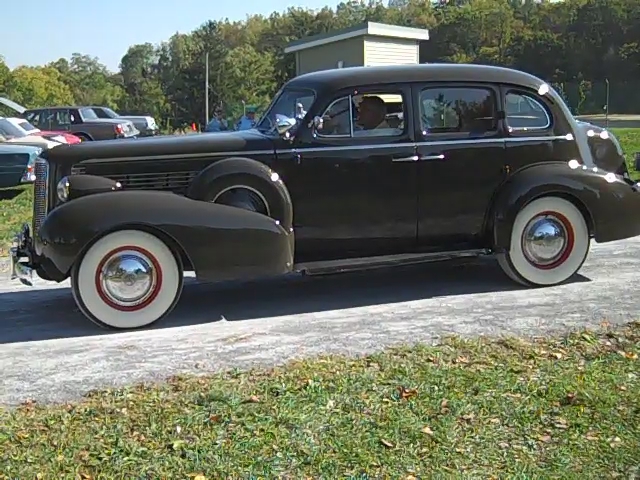
Age requirements represent the most variable aspect of antique registration programs. Most states set thresholds at 25 years old, meaning vehicles gain eligibility on a rolling basis as they age. This approach continuously adds qualifying vehicles while maintaining program intent.
Some states require greater age for full benefits. Pennsylvania, for example, requires vehicles to be 25 years old for antique status. California’s historical vehicle program accepts vehicles 25 years or older. New York sets its threshold at 25 years as well. A few states like Florida accept vehicles as young as 20 years for antique classification.
Other jurisdictions use fixed dates rather than rolling calculations. Vehicles manufactured before specific years qualify regardless of how much time passes. This approach gradually increases the rarity of qualifying vehicles but can create registration challenges for popular collector cars from later eras.
Registration Benefits
The primary benefit of antique registration is typically reduced or one-time registration fees. Rather than annual renewal costs, many states charge modest one-time fees for permanent antique plates. Pennsylvania charges a one-time fee under $100 for permanent antique plates, while standard registration runs annually.
Emissions testing exemptions attract many owners to antique registration. Most states exempt historic vehicles from inspection requirements entirely, acknowledging both their limited use and the challenges of testing older systems against modern standards. This exemption removes annual hassles and potential modification requirements.
Safety inspection exemptions accompany emissions waivers in many jurisdictions, though this varies significantly. Some states exempt antique vehicles from all inspections while others maintain safety requirements. Verify your state’s specific provisions before assuming any exemption applies.
Usage Restrictions
Antique registration benefits come with limitations on how you can use your vehicle. Most programs restrict operation to participation in club activities, exhibitions, parades, occasional transportation, and similar hobby use. Daily commuting, regular errands, or commercial purposes typically violate antique registration terms.
Some states specify mileage limitations, allowing only a certain number of miles annually under antique registration. Others use vaguer language about “occasional use” or “hobby purposes” without specific mileage caps. Understanding these restrictions before registration prevents legal complications and insurance issues.
Enforcement varies considerably. Some jurisdictions actively monitor antique-registered vehicles while others rely primarily on honor systems. Regardless of enforcement likelihood, violating registration restrictions can void insurance coverage during accidents and create legal liability.
State Variation Examples
California’s historical vehicle program requires vehicles to be 25 years old and exempts them from smog testing. The program issues special license plates and limits use to hobby purposes including car shows, parades, and occasional pleasure driving. Registration is significantly cheaper than standard fees.
Texas offers antique plates for vehicles 25 years or older, with one-time registration fees and exemption from annual inspection. The state restricts use to exhibitions, parades, and other functions of public interest, plus occasional personal use.
Florida’s antique program accepts vehicles 30 years or older with one-time permanent registration. The state prohibits regular daily use but allows transportation to and from shows, service facilities, and occasional pleasure driving.
New York issues historical plates for vehicles 25 years or older, with reduced fees and inspection exemptions. Usage restrictions limit operation to exhibitions, parades, club activities, and similar occasional purposes.
How to Apply for Antique Plates
Application processes vary by state but generally require proof of ownership, verification of vehicle age through title or documentation, and payment of applicable fees. Some states require club membership or owner certification that the vehicle will be used only for permitted purposes.
Begin by obtaining application forms from your state DMV website or office. Gather required documentation including current title, proof of insurance, and any photographs or verification documents your state requires. Some jurisdictions require inspection by state officials or certified mechanics before issuing antique plates.
Processing times range from immediate counter service to several weeks for mail-in applications. Plan accordingly if you need the vehicle registered before a specific event or deadline. Keep copies of all submitted documentation.
Insurance Considerations
Antique registration affects insurance requirements and options. Many standard auto insurers don’t understand collector vehicles and may offer inadequate coverage. Specialized collector car insurers like Hagerty, Grundy, and American Collectors provide agreed-value policies that guarantee specific payouts rather than depreciated actual cash value.
Collector policies typically require limited use consistent with antique registration restrictions. Insurers may specify mileage limits, require secure storage, or mandate other vehicle ownership to ensure the collector car isn’t used as primary transportation. These requirements generally align with antique registration restrictions.
Verify that your insurance coverage remains valid under antique registration before switching. Some policies reference registration type in their terms. Confirm coverage for all intended uses and ensure agreed values reflect current market conditions.
Antique vehicle registration offers meaningful benefits for collector car owners who understand and respect program limitations. Research your state’s specific requirements, honestly assess your intended usage, and make informed decisions about whether antique plates suit your ownership plans.

Stay in the loop
Get the latest classic car craze updates delivered to your inbox.