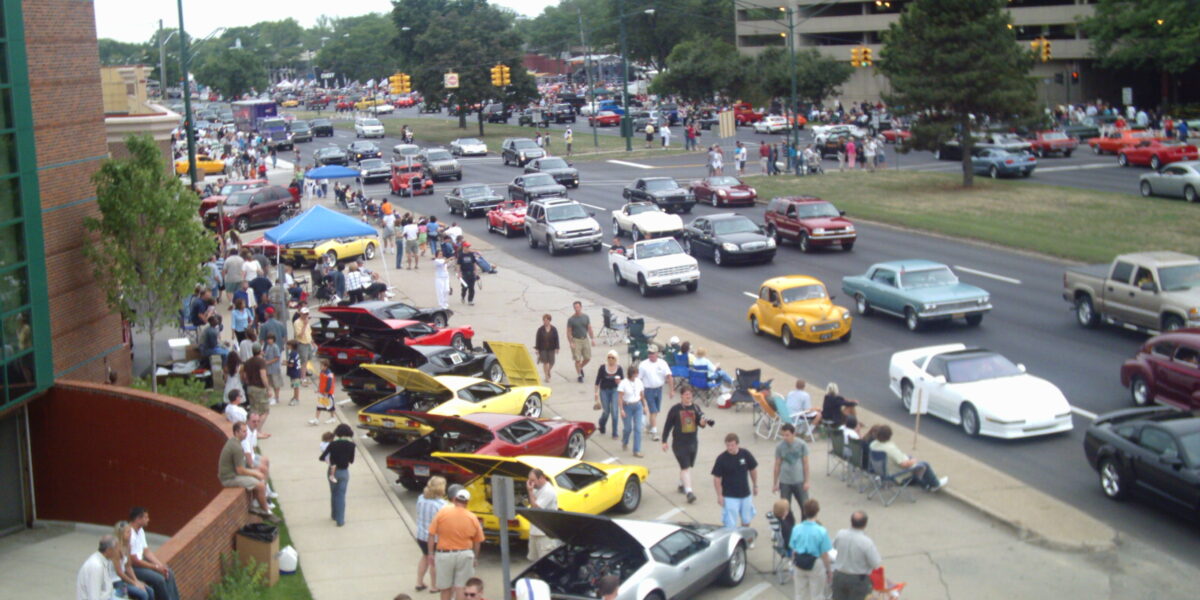
Classic car owners face a fundamental dilemma: these vehicles were built to be driven, yet every mile adds wear and potentially reduces value. Finding the right balance between enjoying your classic and preserving it as an investment requires understanding how the collector car market views mileage, maintenance, and usage.
What the Market Says About Mileage
The relationship between mileage and classic car values isn’t straightforward. A 1967 Mustang with 30,000 original miles commands a premium over a 100,000-mile example, but the difference isn’t proportional. The first car might bring $45,000 while the higher-mileage version sells for $32,000—a 40% mileage increase only reduces value by about 30%.
More importantly, condition matters more than odometer reading. A well-maintained 80,000-mile classic with documented service history often sells for more than a neglected 20,000-mile car with deferred maintenance and questionable storage history.
The “Survivor” Premium
Extremely low-mileage survivors—cars with under 10,000-15,000 original miles—occupy a special category. These time capsules command significant premiums, sometimes 50-100% over comparable high-quality restored examples. A 5,000-mile original 1970 Chevelle SS might bring $80,000 while a beautifully restored 60,000-mile car sells for $50,000.
However, survivor premiums apply primarily to:
- Genuinely original, unrestored vehicles
- Cars with complete documentation proving mileage authenticity
- Desirable models that are already valuable
- Vehicles maintained in excellent condition despite low use
A low-mileage survivor that’s been poorly stored or inadequately maintained loses most of its premium. Mileage alone doesn’t create value—originality and condition do.
How Much Should You Drive Your Classic?
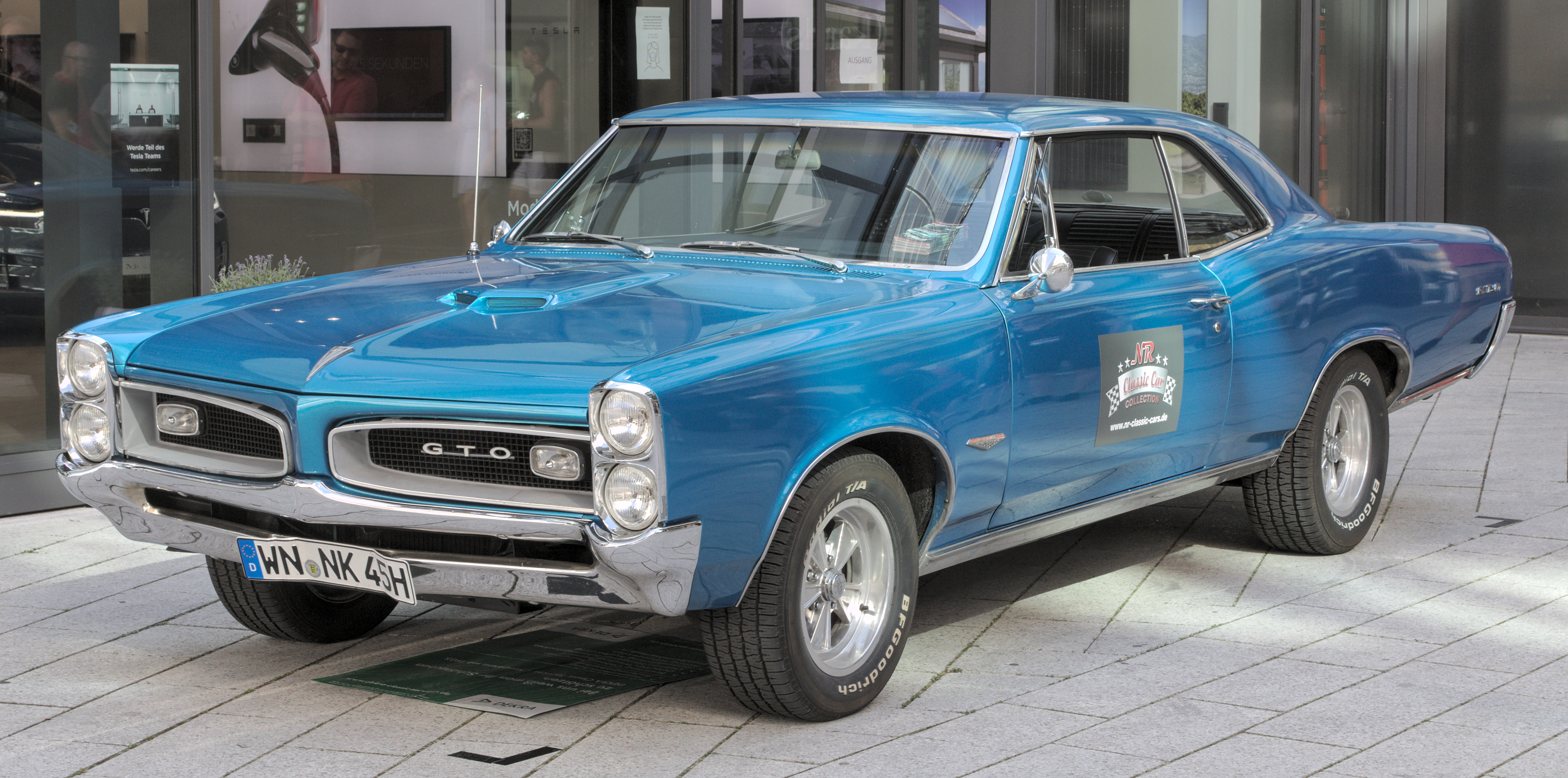
The 500-1,500 Mile Annual Sweet Spot
Most collector car experts recommend 500-1,500 miles annually for classics that you want to enjoy while maintaining investment value. This range provides enough driving to:
- Keep mechanical systems properly lubricated and exercised
- Prevent deterioration from sitting (a serious problem for classics)
- Allow participation in local car shows, cruise-ins, and occasional weekend drives
- Maintain your connection with the vehicle and justify ownership costs
At 1,000 miles per year, you’ll add only 10,000 miles over a decade of ownership. For a car that already has 40,000-60,000 miles, this represents minimal impact on value while providing meaningful enjoyment.
The Sitting vs. Driving Paradox
Here’s what many collectors learn too late: cars deteriorate faster from sitting than from moderate use. Classic cars stored without regular operation develop numerous problems:
Fuel system issues: Gasoline degrades, varnish forms in carburetors, fuel pumps dry out, and corrosion develops in fuel tanks.
Seal and gasket failures: Rubber components need occasional fluid exposure to remain pliable. Dry seals crack and leak when the car is eventually started.
Brake system deterioration: Brake fluid absorbs moisture during storage, corroding brake lines and master cylinders from the inside.
Tire damage: Flat-spotting and sidewall cracking occur even in climate-controlled storage if cars sit too long without movement.
Electrical problems: Connections corrode, batteries sulfate, and wiring insulation becomes brittle.
A classic driven 1,200 miles annually and properly maintained will often be in better mechanical condition than an identical car driven 100 miles per year, even though the second car has lower mileage.
Different Goals, Different Mileage Strategies
Investment-Focused Ownership
If your primary goal is appreciation and eventual sale at maximum value, minimize mileage while maintaining mechanical health:
- Drive 200-500 miles annually
- Focus on short local drives to exercise systems
- Avoid long road trips that add significant mileage
- Maintain meticulous service records
- Store in climate-controlled conditions
- Start and run the car monthly even when not driving
This approach works best for high-value cars ($100,000+) where mileage significantly impacts value, or for rare vehicles with strong appreciation potential.
Driver-Quality Enjoyment
If you bought your classic to drive and enjoy without worrying about maximum resale value:
- Drive 2,000-5,000+ miles annually
- Take road trips, attend distant car shows, participate in tours
- Focus on thorough maintenance rather than mileage preservation
- Accept that driving reduces value but increases life satisfaction
- Choose more common classics where mileage matters less
Many collectors find this approach more rewarding. A $35,000 classic driven 3,000 miles annually might be worth $28,000 after 10 years instead of $38,000 if barely driven. But you’ll have accumulated 30,000 miles of memories and enjoyment—value that doesn’t appear in auction results.
The Balanced Middle Ground
Most classic owners find happiness in the middle: 800-1,500 miles annually, mixing local shows with occasional longer drives, maintaining value while still enjoying the vehicle. This provides enough driving to satisfy ownership without significantly impacting future resale.
Mileage Impact by Vehicle Category
Muscle Cars and Pony Cars
For Mustangs, Camaros, Challengers, and muscle cars, mileage matters but isn’t deal-breaking. These cars were built for driving, and buyers expect some miles. Adding 1,000 miles annually to a 50,000-mile car has minimal value impact. Only ultra-low-mileage examples (under 15,000 original) command significant survivor premiums.
Exotic and Supercar Collectibles
For Ferraris, Lamborghinis, and high-end exotics, mileage affects value more significantly. However, service history and condition trump pure mileage. A well-maintained Ferrari with 30,000 miles and complete records sells for more than a neglected 10,000-mile car with spotty documentation.
Vintage Trucks and SUVs
Classic trucks benefit from a “working vehicle” perception. Buyers expect mileage and value functionality. A restored 1970s Ford F-100 with 80,000 miles might sell for only 10-15% less than a 30,000-mile example if condition is equivalent. Drive these guilt-free.
Pre-War and Brass Era Cars
For cars from the 1920s-1940s, driving is often limited by the vehicles’ capabilities rather than value concerns. These cars weren’t designed for modern traffic or highway speeds. Owners typically drive them very sparingly (100-400 miles annually) regardless of value impact, simply because extended driving isn’t practical or enjoyable.
Documentation Matters More Than Ever
Whatever mileage strategy you choose, document everything:
- Keep every service receipt and repair invoice
- Photograph major service work
- Maintain a logbook of all drives and maintenance
- Document mileage annually with dated photos
- Save parts receipts and supplier information
When selling, complete documentation can add 15-25% to your sale price. It proves your mileage is genuine, demonstrates proper care, and gives buyers confidence in the vehicle’s history.
Special Considerations for Modern Classics
For cars from the 1980s-2000s (Supras, NSXs, air-cooled Porsches, etc.), mileage expectations differ from older classics:
These cars were built for reliability and durability. A 1995 Toyota Supra with 60,000 miles is still considered low-mileage because these cars routinely ran 200,000+ miles when new. Driving one 2,000 miles annually doesn’t significantly impact value.
However, exceptionally low-mileage examples (under 10,000 miles) command massive premiums. A 5,000-mile Supra might bring $200,000 while a 40,000-mile car sells for $90,000. The survivor premium is substantial for these modern classics.
Making Your Decision
Ask yourself these questions:
Why did you buy this car? If for investment, minimize miles. If for enjoyment, drive it. If both, find your balance point.
How rare/valuable is your specific vehicle? Common classics tolerate more miles. Rare, high-value cars deserve more restraint.
Can you afford the depreciation? Driving 3,000 miles annually might cost $5,000-15,000 in reduced resale value over a decade. Is that acceptable for the enjoyment gained?
Do you have other vehicles? If this is your only classic, you’ll drive it more. If you have multiple collector cars, you can spread mileage across the fleet.
The Ultimate Answer
For most classic car owners with typical collector vehicles ($25,000-75,000 value range), 800-1,500 miles annually provides the best balance. This allows:
- Regular participation in the local car community
- Occasional weekend drives and short trips
- Proper mechanical exercise and system maintenance
- Minimal value impact (less than 5-10% over a decade)
- Guilt-free enjoyment of your investment
Remember: you can’t take the money with you, but you can take the memories of drives not taken. Most collectors regret not driving their classics more, not driving them too much. Find your balance, maintain your car properly, document everything, and enjoy the journey. These cars were built to be driven—driving them, within reason, honors their purpose.




Stay in the loop
Get the latest classic car craze updates delivered to your inbox.