
The Chrysler 5th Avenue: A Classic American Luxury Sedan
The Chrysler 5th Avenue has gotten complicated with all the confusion flying around between the different generations, trim levels, and platform changes. As someone who has always had a deep appreciation for American luxury cars that prioritized genuine comfort over everything else, I learned everything there is to know about the 5th Avenue — and I genuinely believe it represents something important about what American buyers actually wanted from a luxury car in the 1980s.
Origins and Development
Chrysler introduced the 5th Avenue nameplate in 1979, initially as a trim level on the LeBaron and New Yorker before it became its own model. The car immediately positioned itself as Chrysler’s premium offering — the flagship sedan for buyers who wanted real luxury without the Cadillac price tag. The development philosophy was refreshingly straightforward: make it comfortable, make it quiet, make it look dignified. No pretense about sportiness or European sophistication. Just pure, unapologetic American luxury.
Design and Styling
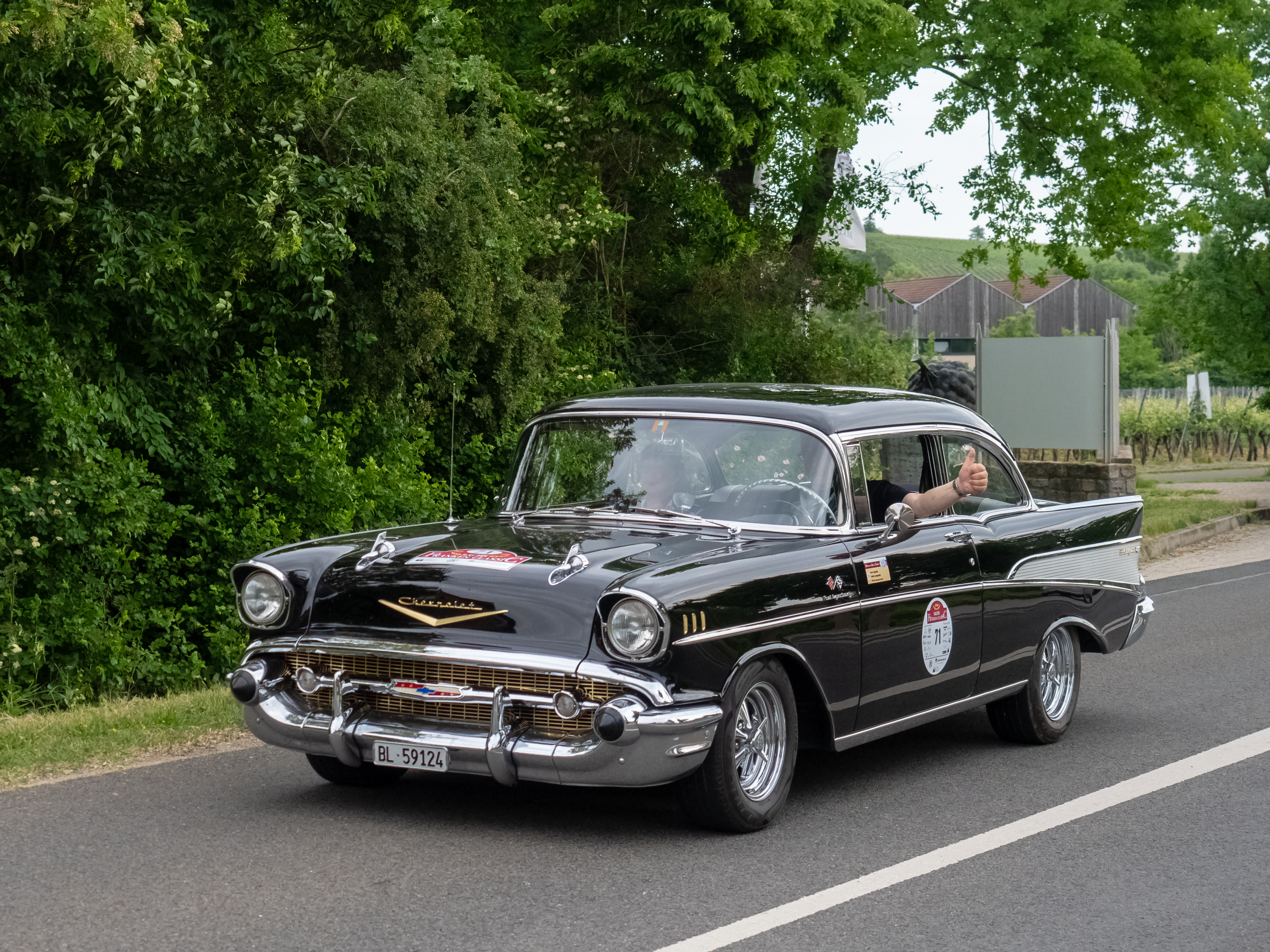
The 5th Avenue wore its luxury credentials on the outside. Chrome trim was applied generously but tastefully. The formal roofline gave it a stately presence on the road. Clean, uncluttered lines communicated quality without shouting for attention. It was not flashy like a Cadillac Eldorado or understated like a Lincoln Continental — it occupied its own distinct space in the luxury landscape. The optional vinyl roof added a traditional touch that buyers genuinely loved, and the color options tended toward dignified metallics and deep solids.
Inside is where the 5th Avenue really delivered on its promises. Plush velour or genuine leather seats were wide, deep, and supremely comfortable. Wood-grain trim added warmth to the cabin. The proportions were generous enough that four adults could ride in genuine comfort. The dashboard layout was clean and intuitive, with everything within easy reach. It felt like a quality piece of furniture, which is exactly what it was.
Performance
Probably should have led with this section, honestly, because understanding the 5th Avenue’s performance philosophy is key to understanding the whole car. Nobody — absolutely nobody — bought a 5th Avenue for its zero-to-sixty time. The V8 engines, typically a 318 cubic inch unit, provided more than adequate power for a car of this size and mission. The automatic transmission shifted so smoothly that you barely noticed it changing gears. And the suspension was tuned for boulevard cruising at its finest. Potholes, rough roads, expansion joints, railroad crossings — the 5th Avenue absorbed them all with the quiet competence of a car that knew exactly what it was built for. Highway comfort was its absolute superpower.
The K-Car Platform Era
That is what makes the later 5th Avenue endearing to us Mopar fans — Chrysler managed to deliver a convincing luxury experience on the K-car platform during a period when the company was essentially operating on financial life support. The front-wheel-drive 5th Avenue of the mid-to-late 1980s proved that the humble K platform could stretch far beyond economy cars when properly developed. It was not as physically large as the earlier rear-drive models, but the interior appointments, ride quality, and overall refinement still delivered on the luxury promise. That took real engineering talent.
Competition
The 5th Avenue competed directly with the Cadillac DeVille, Lincoln Town Car, Buick Electra, and Oldsmobile 98. It was typically the most affordable option in the full-size luxury segment, which was a smart play by Chrysler. This positioning captured buyers who aspired to luxury-car ownership but could not quite stretch to Cadillac money. The value proposition was compelling — you got a genuinely luxurious car for significantly less than the competition.
Market Reception
Sales were solid and consistent, particularly among older buyers who valued comfort, quietness, and reliability over performance statistics or European cachet. The 5th Avenue developed a deeply loyal following. Owners kept these cars for years, sometimes decades, racking up high mileage on dependable drivetrains. You still see them at classic car shows and Mopar events, almost always in impeccable condition, cared for by owners who genuinely love the car and everything it represents.
Collectibility
The 5th Avenue is significantly undervalued in today’s collector market, which makes it a genuinely smart purchase for anyone paying attention. Clean, low-mileage examples can still be found at very reasonable prices. Parts availability is excellent thanks to shared components with other Chrysler products. Maintenance is straightforward and inexpensive. The mechanical systems are simple enough for competent home mechanics to handle. As the collector market continues to recognize 1980s cars, the 5th Avenue is well positioned to appreciate meaningfully.
Legacy
The Chrysler 5th Avenue represents a specific and honest philosophy of American luxury — comfortable, accessible, dignified, and completely unpretentious. It was never trying to be a European sports sedan or an over-the-top chrome-laden showpiece. It was a car for people who wanted to arrive at their destination feeling relaxed and looking respectable, and it delivered on that promise every single time. That kind of honest, purpose-driven engineering deserves real respect, even if the automotive world has largely moved on to different priorities.
Essential Classic Car Resources
n
Every classic car enthusiast needs the right resources and products:
nn
The Complete Restoration Guide
n
The Complete Idiot’s Guide to Restoring Collector Cars – Whether you are buying your first classic or restoring a barn find, this comprehensive guide covers everything you need to know.
n
nn
Premium Car Care Kit
n
Chemical Guys Complete Car Care Kit – Professional-quality car wash and detail products to keep your classic looking showroom-fresh.
n
n
As an Amazon Associate, we earn from qualifying purchases.


Stay in the loop
Get the latest classic car craze updates delivered to your inbox.