
Buying your first classic car is an exciting milestone, but it can quickly turn into an expensive mistake without proper preparation. The vintage car market has unique challenges that don’t apply to buying modern used vehicles. This guide walks you through every step of the process, from choosing the right car to completing the purchase with confidence.
Before You Start Shopping
Set a Realistic Total Budget
The purchase price is just the beginning. Plan your total budget to include:
- Purchase price: The actual cost of the vehicle
- Immediate needs: 10-20% of purchase price for issues that arise in the first months
- Insurance: Classic car insurance is often cheaper than standard policies, but budget $400-1,200 annually
- Storage: Climate-controlled storage if you don’t have suitable garage space
- Registration and taxes: Varies by state; some offer reduced rates for antique vehicles
- Tools and equipment: Battery tender, car cover, basic tools specific to your model
A good rule: if your maximum vehicle budget is $20,000, plan to spend $25,000-30,000 total in the first year.
Choose Your First Classic Wisely
Not all classic cars make good first purchases. Consider these factors:
Parts availability matters enormously. Popular models like Ford Mustangs, Chevrolet Camaros, Corvettes, and early Broncos have extensive aftermarket support. You can find almost any part you need, often with same-day shipping. Obscure European or limited-production American cars may require months-long waits for basic components or expensive custom fabrication.
Start with domestic over foreign for your first classic. American cars generally have simpler mechanicals, cheaper parts, and more available local expertise. Save the vintage Alfa Romeo or Jaguar for when you have experience and a larger budget.
Avoid major project cars as a first purchase. “Barn finds” and non-running project cars appeal to enthusiasts, but require skills, space, and budgets that first-time buyers rarely have. Start with a driver-quality car that runs, drives, and stops reliably.
Common First Classic Car Choices
1960s-1970s Ford Mustang: Massive parts availability, simple mechanics, strong community support, affordable entry point ($15,000-35,000 for driver quality)
C3 Corvette (1968-1982): Iconic American sports car, fiberglass body won’t rust, good performance, extensive documentation ($12,000-35,000)
Chevrolet C10 Pickup (1967-1972): Increasingly popular, practical for hauling, easy to work on, strong value growth ($15,000-40,000)
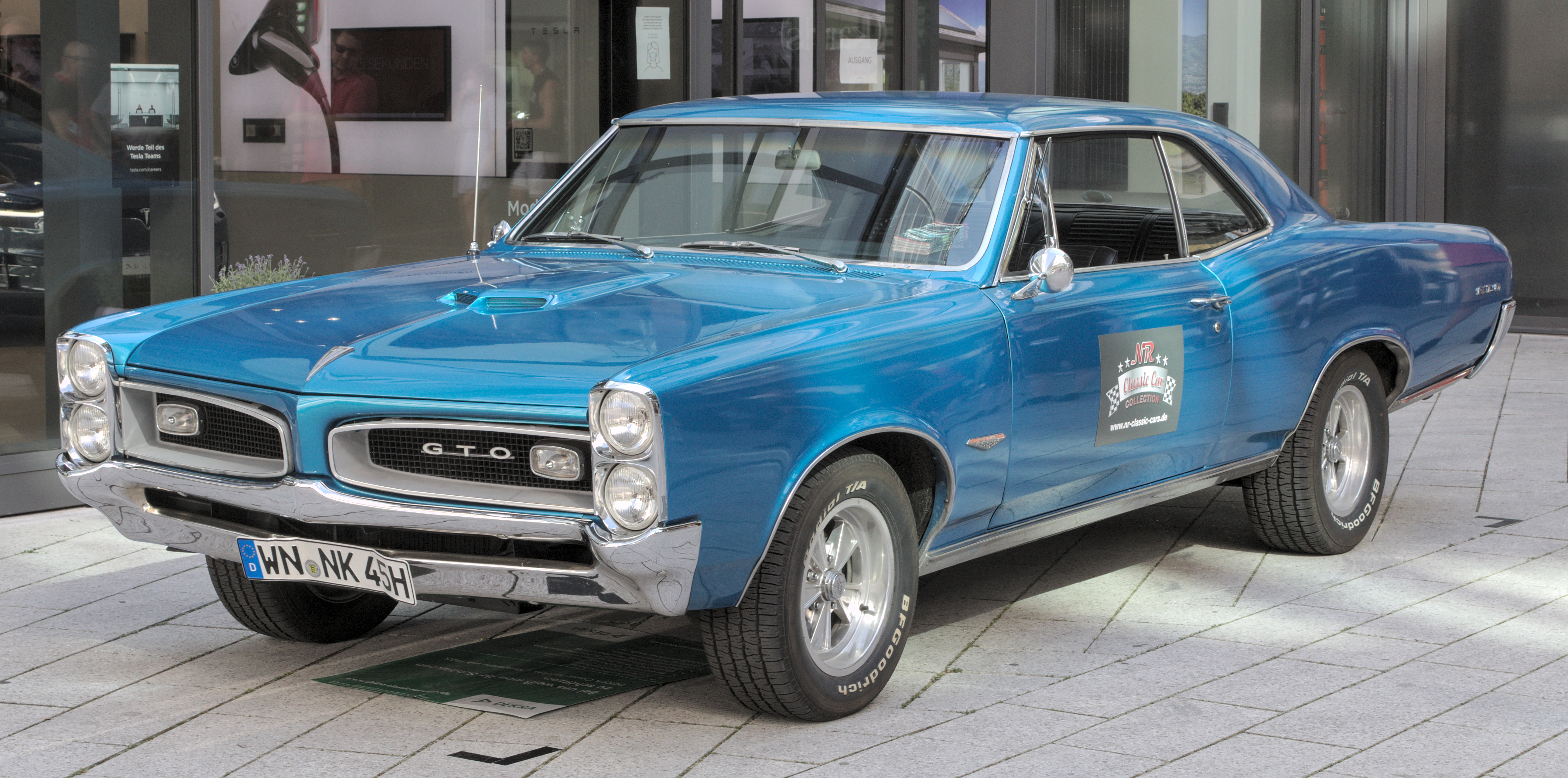
1960s-70s Chevrolet Camaro/Pontiac Firebird: Similar to Mustang in parts support and community, distinctive styling ($18,000-45,000)
Porsche 911 (1980s-1990s): If you want European, air-cooled 911s from the 1980s offer excellent reliability and strong values, though parts cost more ($30,000-60,000)
Finding Classic Cars for Sale
Where to Look
Bring a Trailer: The premier online classic car auction site. Transparent bidding, detailed photos, and active commentary from knowledgeable users. Expect to pay market rates, but you’re buying with confidence.
Hemmings.com: The classified ads bible for classic cars. Everything from parts cars to concours winners. Private sellers and dealers both list here.
Classic car dealerships: You’ll pay a premium, but reputable dealers offer some recourse if major problems emerge immediately after purchase. They can also arrange financing and handle registration.
Craigslist and Facebook Marketplace: Good deals exist, but so do scams and misrepresented vehicles. Excellent for finding local cars you can inspect in person.
Classic car shows and cruise-ins: Talk to owners. Many classics sell through word-of-mouth before they ever get advertised. Building connections in the local scene can lead to first dibs on good cars.
Marque-specific clubs: Mustang Club of America, Corvette Club, Porsche Club, etc. Members often list cars for sale to fellow enthusiasts before going public. Club members are also invaluable resources during your search.
Red Flags in Listings
Learn to spot problematic listings before wasting time:
- “Ran when parked”: Translation: doesn’t run now, and nobody knows why
- “Just needs…”: If it “just needs” something simple, why didn’t the seller do it?
- Photos from only one angle: Hiding rust or damage on the other side
- No undercarriage photos: Probably hiding frame or floor rust
- “I know what I have”: Often signals an overpriced car and a difficult seller
- Vague descriptions: Lack of detail suggests seller doesn’t know the car well or is hiding issues
- Price significantly below market: Either a scam or major undisclosed problems
Inspecting Before You Buy
What to Check Yourself
Even if you hire a professional inspection (which you absolutely should), do your own preliminary evaluation:
Rust inspection: Check floor pans, trunk floor, rocker panels, wheel wells, and frame rails. Poke suspect areas with a screwdriver—soft spots indicate rust-through. Surface rust is manageable; structural rust is expensive.
Panel alignment: Uneven gaps between doors, hood, and trunk suggest previous accident damage or poor-quality restoration work.
Paint quality: Look for overspray on rubber seals, windows, and chrome. Indicates rushed paint work. Use a magnet to check for excessive body filler—if it doesn’t stick, there’s filler underneath.
Interior condition: Original interiors in good condition are increasingly rare and expensive to replace. Budget $3,000-8,000 for a full interior restoration.
Test drive essentials: Engine should start readily and idle smoothly. Check for smoke on startup or acceleration. Listen for unusual noises. Test brakes thoroughly—classic brake systems are marginal by modern standards even when functioning correctly. Check steering play and vibrations.
Documentation review: Original owner’s manual, build sheet, maintenance records, receipts for work performed—these increase value and help you understand the car’s history.
Get a Pre-Purchase Inspection
Spend $150-400 for a professional inspection by a mechanic experienced with classic cars. This is non-negotiable for first-time buyers. The inspection typically includes:
- Compression test to assess engine condition
- Undercarriage inspection on a lift
- Brake system evaluation
- Electrical system check
- Structural integrity assessment
- Written report detailing current issues and upcoming maintenance needs
Use the inspection results to negotiate price or walk away from money pits. A car needing $8,000 in immediate work is only a “good deal” if it’s priced $8,000+ below comparable examples.
Negotiation and Purchase
Classic car pricing is subjective. Use these resources to understand fair market value:
- Hagerty Valuation Tools: Industry-standard pricing guide with condition-based values
- Recent Bring a Trailer sales: See what similar cars actually sold for
- NADA Classic Car Guide: Another respected valuation resource
Condition matters more than year or model. A clean, well-maintained 1985 Corvette is worth more than a rusty, neglected 1967 Corvette, despite the earlier year.
Armed with inspection results and comparable sales data, make a fair offer based on the car’s actual condition. Sellers with realistic expectations will negotiate; those emotionally attached to fantasy values won’t. Don’t be afraid to walk away.
After the Purchase
Once you own your classic, immediate priorities include:
Fluid changes: Change oil, coolant, brake fluid, and differential fluid. Old fluids degrade and cause problems even if the car has low miles.
Safety inspection: Have brake lines, fuel lines, and all hoses inspected for age-related deterioration.
Join the community: Marque-specific forums and local clubs provide invaluable technical help and social connections.
Document everything: Keep receipts, take photos, record mileage and maintenance. This documentation adds value if you ever sell.
Buying a classic car is the beginning of a rewarding journey. Take your time, do your research, and don’t let emotion override practical judgment. The right classic car will bring decades of enjoyment—the wrong one becomes an expensive burden that kills your enthusiasm for the hobby.



Stay in the loop
Get the latest classic car craze updates delivered to your inbox.