The moment you modify a classic car from its original factory specifications, you enter complex territory regarding value. A period-correct four-speed manual transmission swap in a Mustang might increase value. Modern air conditioning might make the car more usable while having minimal impact. A non-original engine swap could reduce value by 30-50%. Understanding how custom work affects classic car values requires knowing what buyers in the collector market value most—and it’s not always original
The Originality Premium
In classic car circles, “numbers matching” commands premium prices. This means the engine, transmission, and major components carry factory stampings proving they’re the original parts installed when the car was built. A numbers-matching 1967 Corvette 427/435hp might bring $120,000, while an identical car with a correctly specified but non-original engine might sell for $75,000—a 37% reduction despite being mechanically equivalent.
This premium exists because originality becomes increasingly rare. Most classics have been modified, repaired, or rebuilt over 40-60 years of existence. Genuinely original, unmodified examples represent time capsules worth preserving.
However, the originality premium has limits. It applies primarily to:
- High-value collectibles already worth $75,000+
- Rare models where originality is documented and verifiable
- Cars competing in concours events where authenticity is judged
- Vehicles with complete documentation proving original components
Modifications That Increase Value
Period-Correct Performance Upgrades
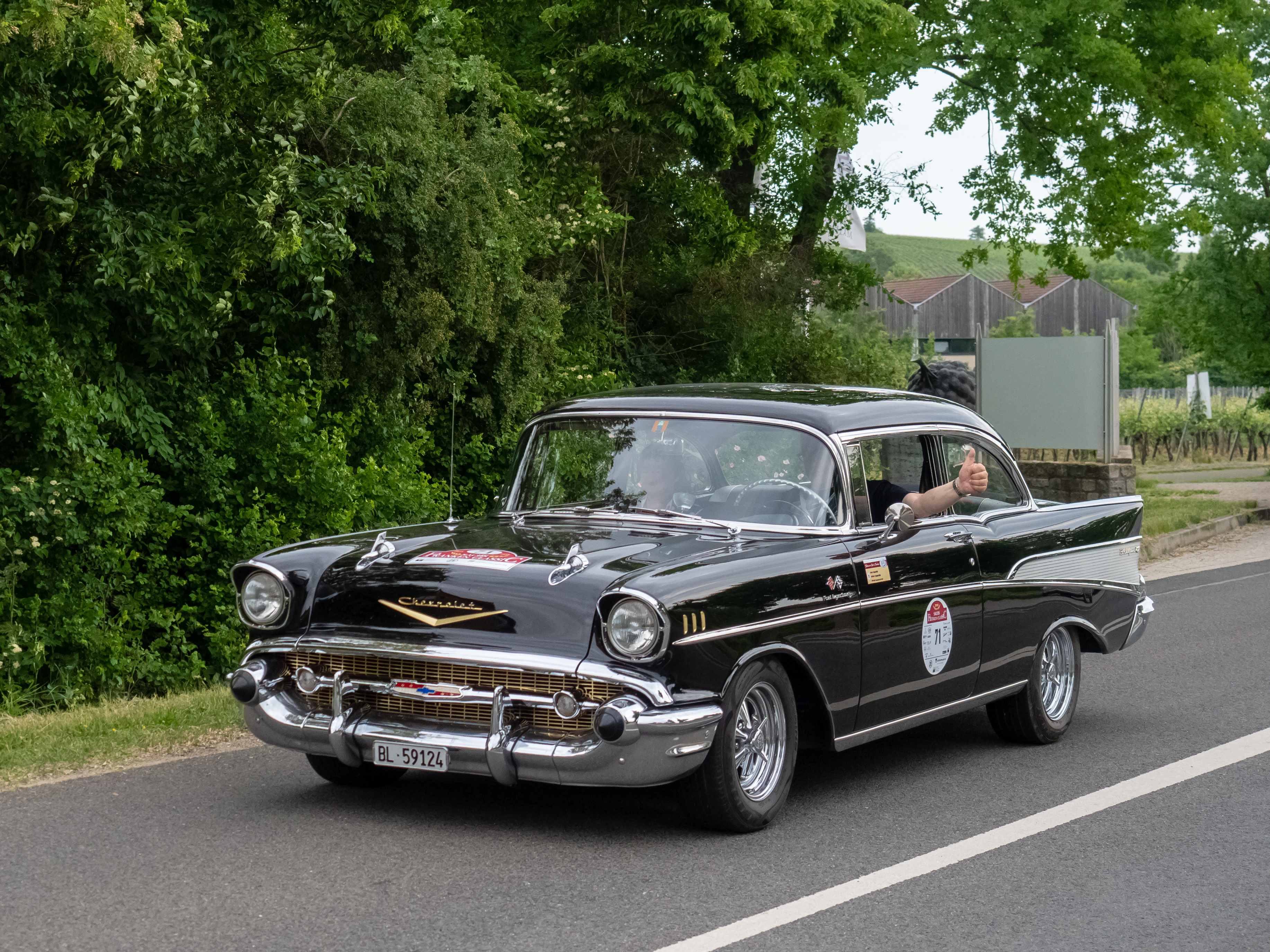
Modifications available when the car was new often enhance rather than reduce value. A 1968 Camaro originally equipped with a small-block 327 but later upgraded to a period-correct 396 big-block might actually be worth more than an original 327 car, provided the swap was done correctly with proper documentation.
Factory options added after purchase typically don’t hurt value: air conditioning, power steering, upgraded radios, or performance options that could have been ordered new.
Quality Resto-Mods Done Right
The resto-mod market has matured significantly. High-quality builds combining vintage aesthetics with modern performance now command strong values. A professionally built 1969 Camaro with LS3 crate motor, modern suspension, upgraded brakes, and tasteful interior can bring $150,000-250,000+—approaching or exceeding numbers-matching prices.
Key factors for valuable resto-mods:
- Professional craftsmanship throughout
- Balanced modifications that work together
- Retaining original appearance (subtly is key)
- Documented build with photos and receipts
- Using quality components (LS engine swaps, Tremec transmissions, Wilwood brakes)
- Maintaining structural integrity
Sympathetic Improvements for Usability
Certain modifications make classic cars more enjoyable without significantly impacting value among driver-focused buyers:
Electronic ignition: Improves reliability and cold-starting without altering appearance. Saves original distributor for easy reversion.
Radial tires: Dramatically improve handling and safety. Bias-ply tires can be reinstalled for shows if needed.
Upgraded cooling: Aluminum radiators, electric fans, and improved water pumps help classics survive modern traffic.
Modern stereo hidden in original location: Bluetooth and modern sound quality while maintaining dashboard appearance.
Modifications That Destroy Value
Irreversible Body Modifications
Cutting, welding, or permanently altering sheet metal devastates value. Examples include:
- Sectioning or chopping rooflines
- Frenching headlights or taillights
- Adding non-factory scoops or vents
- Shaving door handles or trim
- Converting coupes to convertibles
These custom touches were popular in the 1980s-90s but are value killers today. Buyers want cars they can restore to original, and permanent body modifications eliminate that possibility.
Wrong-Era Modifications
Modifications from the wrong decade look out of place and reduce value. A 1960s muscle car with 1980s-style ground effects, louvers, and graphics looks dated and wrong. Similarly, billet aluminum wheels popular in the 1990s on a 1950s hot rod appear incongruous today.
Trends change. What seemed cool when done often appears tacky years later. Original or period-correct modifications age better than trendy customization.
Poor-Quality Work
Amateur-level custom work reduces value more than the modifications themselves. Visible weld marks, ill-fitting panels, mismatched paint, incorrect fasteners, and sloppy craftsmanship make cars worth less than if they’d been left alone.
A professionally executed custom build might maintain 70-90% of original value. The same modifications done poorly might reduce value to 30-40% of original.
Non-Original Engines From Wrong Manufacturers
Swapping a Chevrolet engine into a Ford, or vice versa, significantly reduces value in the collector market. Brand loyalty matters. A 1970 Mustang with a Chevy LS swap might be faster and more reliable, but it’s worth 40-50% less than an equivalent car with a Ford Coyote engine or original 351 Cleveland.
This rule has exceptions—early hot rods built when Flathead Ford V8s were common engines for any chassis, or custom cars where the builder’s vision is respected. But for mainstream collectibles, keep the right brand’s power plant.
The Documentary Evidence Factor
Custom work with complete documentation sells for significantly more than identical modifications without records. Buyers want to know:
- When modifications were performed
- Who did the work (professional shop vs. previous owner’s garage)
- What parts were used (receipts for quality components)
- Build process photos showing quality craftsmanship
- Whether original parts were saved
A resto-mod with $75,000 in documented professional work might sell for $120,000. The identical car with no documentation might bring only $80,000.
Market Segment Variations
Muscle Cars and Pony Cars
Original drivetrain commands premiums, but performance upgrades are accepted if done correctly. Numbers-matching cars bring top dollar, but well-done customs still sell strong.
Pre-War and Early Classics
Originality matters immensely. These cars appeal to purist collectors who value authenticity above all. Even minor modifications reduce value significantly.
Hot Rods and Customs
By definition built from modified vehicles, value comes from quality of execution and overall vision. These cars are judged on craftsmanship and style, not originality.
Exotic and European Classics
Originality is critical. Modified Ferraris, Porsches, or Jaguars lose substantial value. Factory specifications and correct components are paramount.
Reversibility: The Safety Net
The most valuable modifications are fully reversible. If you can return the car to original specifications, you preserve future options. This means:
- Saving all original parts removed
- Avoiding permanent alterations
- Using bolt-on modifications when possible
- Photographing original configuration before changes
- Documenting original specifications
A car with modern suspension that includes all original components in boxes is worth more than an identical car where original parts were discarded.
Making Smart Modification Decisions
Before customizing your classic, consider:
Is this car rare or valuable enough to preserve original? A numbers-matching 1970 Hemi ‘Cuda should stay original. A common 318 Plymouth Duster is a good resto-mod candidate.
Do I plan to keep this car long-term? If yes, modify for your enjoyment. If you plan to sell within 5 years, keep it original or do only reversible changes.
Can I afford professional-quality work? Poor custom work destroys value. If you can’t afford proper execution, reconsider the project.
Will these modifications still look good in 10 years? Trendy changes date poorly. Classic or understated modifications age better.
The Personal Enjoyment Equation
Sometimes the right choice is modifications despite value impact. If adding air conditioning makes you actually drive and enjoy your classic instead of leaving it garaged, the modification has value beyond dollars.
A car driven and enjoyed is worth more to its owner than a garage queen that’s theoretically more valuable but never used. Calculate the “enjoyment premium”—will this modification add enough pleasure to justify any value reduction?
Custom work affects classic car values in complex ways. Originality commands premiums in high-end collectibles. Quality resto-mods have carved their own valuable niche. Reversible, period-correct improvements maintain value better than permanent, anachronistic changes. Poor-quality work destroys value regardless of the modifications themselves.
The key is understanding your car’s position in the market and your own goals as an owner. Modify with eyes open to value implications, maintain documentation, use quality parts and professional execution, and you can create a custom classic that retains strong value while delivering the driving experience you desire.



Stay in the loop
Get the latest classic car craze updates delivered to your inbox.