When a 1963 Corvette Sting Ray split-window coupe won Best in Class at Pebble Beach Concours d’Elegance, its owner revealed something surprising: the car required 40 hours of detailed preparation in the week before the show. This wasn’t a quick wash and wax—it was meticulous, methodical work addressing every surface, component, and detail. Understanding this level of preparation provides valuable lessons for any classic car owner, even if you never plan to compete at Pebble Beach.
Why 40 Hours of Preparation?
Pebble Beach represents the pinnacle of automotive concours competitions. Judges inspect every detail with magnifying glasses, flashlights, and encyclopedic knowledge of originality. A thumbprint on chrome, slightly misaligned carpet, or dust in an air cleaner can cost points that separate winners from also-rans.
The 40-hour pre-show routine focuses not on restoration work—that was completed months or years earlier—but on achieving absolute showroom perfection for judging day. Every surface is brought to its maximum potential, all mechanical components are cleaned and detailed, and the entire vehicle is made immaculate.
The 40-Hour Routine Breakdown
Days 7-6: Complete Wash and Decontamination (6 hours)
Hour 1-2: Initial wash
Begin with thorough hand washing using pH-neutral car shampoo. Work from top to bottom, using separate wash mitts for body panels, wheels, and undercarriage. Rinse completely between sections to prevent soap drying.
For a show car, every surface gets attention—inside wheel wells, underneath bumpers, behind grilles, and in every crevice where dirt accumulates.
Hour 3-4: Clay bar treatment
Professional clay bar treatment removes embedded contaminants from paint that washing can’t eliminate. Work in 2×2-foot sections with generous clay lubricant. Fresh clay bar for each section ensures you’re not re-contaminating already-cleaned areas.
This step reveals the true condition of the paint and provides the clean surface necessary for subsequent polishing.
Hour 5-6: Wheel and tire detailing
Remove all wheels for proper cleaning. Detail wheel faces, barrels, and behind spokes. Clean brake calipers, rotors, and suspension components visible through wheels. Dress tires with period-appropriate tire shine—glossy for 1950s-60s cars, more matte for later eras.
Days 5-4: Paint Correction and Polish (10 hours)
Hour 7-11: Paint inspection and correction
Inspect paint under bright light for swirl marks, fine scratches, and imperfections. For show-quality results, use a dual-action polisher with appropriate pads and compounds:
- Heavier compound for deeper scratches and oxidation
- Medium polish for swirl mark removal
- Fine polish for final clarity
Work in small sections, keeping pad flat against surface. Multiple passes with decreasing aggressiveness brings paint to show-winning clarity.
Hour 12-16: Hand polishing details
Machine polishers can’t reach tight areas, door jambs, or complex contours. Hand polish these areas with appropriate products and microfiber applicators. Detail around trim, badges, and emblems. Polish painted surfaces inside door jambs, hood, and trunk areas—judges check everything.
Day 3: Chrome, Brightwork, and Glass (8 hours)
Hour 17-20: Chrome and stainless restoration
Chrome bumpers, trim, and brightwork require dedicated attention. Remove light surface corrosion with 0000 steel wool and chrome polish. Heavy pitting may need wet-sanding with 2000-3000 grit paper before polishing.
Polish all chrome multiple times with progressively finer polishes. Final step: carnuba wax for protection and depth of shine.
Hour 21-24: Glass perfection
Clean all glass inside and out using quality glass cleaner and microfiber towels. Remove any film, streaks, or residue. Clean window channels and rubber seals. For vintage cars, ensure glass shows proper period-correct etching/markings.
Inspect windshield wipers, ensuring blades are correct style and in perfect condition—yes, judges check wiper blades.
Day 2: Interior Perfection (8 hours)
Hour 25-28: Deep interior cleaning
Remove floor mats and seats (if possible without damage). Vacuum every surface thoroughly, using compressed air in vents, crevices, and between seats. Clean and condition leather with appropriate products—over-conditioning creates shine that looks wrong on vintage interiors.
Detail dashboard, gauges, steering wheel, and all interior trim. Ensure all knobs, buttons, and switches function smoothly and sit properly. Clean inside glove box, ashtrays, and all storage compartments.
Hour 29-32: Carpet and upholstery final prep
Steam clean or extract carpets to remove any staining. For velour or cloth seats, use appropriate fabric cleaning methods. Trim any loose threads. Ensure piping on seats is clean and properly seated. Replace any worn rubber pedal pads—this seems minor but judges notice.
For convertibles, clean and dress the top with products appropriate to material (vinyl vs. canvas). Ensure top mechanism functions smoothly and all hardware is clean.
Day 1: Engine Bay and Undercarriage (6 hours)
Hour 33-35: Engine detailing
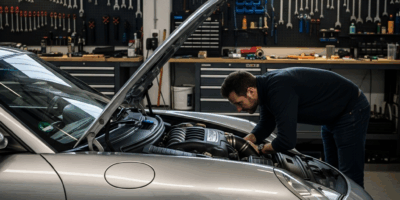
For a Pebble Beach winner, the engine bay is as important as the exterior. Degrease all surfaces with appropriate cleaners. Detail valve covers, air cleaner, carburetor, distributor, wiring, hoses, and clamps.
Paint or detail components in period-correct finishes—Cadmium plating where original, correct paint colors on valve covers and air cleaners, proper hose clamps for the era. Remove any modern anachronisms like zip ties or incorrect fasteners.
Hour 36-38: Undercarriage detailing
Clean frame, suspension components, exhaust system, and floor pan underside. Remove road grime and surface rust. Touch up any undercoating or paint as needed. Ensure drain plugs, fuel lines, and brake lines are clean and properly routed.
This is where most owners cut corners—undercarriage detailing rarely shows in photos. But Pebble Beach judges inspect underneath with mirrors and flashlights.
Show Day Morning: Final Inspection (2 hours)
Hour 39-40: Final prep and transport touch-up
Even with enclosed trailer transport, final inspection is essential. Remove any dust from transport. Quick detail spray and microfiber wipe-down of all exterior surfaces. Clean wheels and tires again. Detail interior one final time.
Check fluid levels, tire pressures, and battery condition. Ensure all lights function. Do final walk-around with checklist, addressing any last-minute issues discovered.
Lessons for Regular Classic Car Owners
You don’t need 40 hours for every car show or weekend drive, but the Pebble Beach routine teaches valuable principles:
Systematic Approach Matters
Work methodically through the car in logical sections. Don’t jump randomly between tasks. Complete one area fully before moving to the next.
Proper Products and Tools
Using correct products for each material (leather conditioner for leather, chrome polish for chrome, plastic cleaner for plastics) produces better results than general-purpose products.
Multiple Passes Outperform Single Efforts
One heavy polish session damages paint. Multiple passes with progressively finer products brings superior results. Same for waxing, interior cleaning, and all detailing tasks.
Details Judges Notice
Small things matter: clean door jambs, properly dressed tires, clean engine bay, functioning lights, period-correct components. These details separate excellent cars from perfect cars.
Adapting the Routine for Different Show Levels
Local Car Show (4-6 hours prep)
- Thorough wash and dry
- Quick polish/wax
- Interior vacuum and wipe-down
- Wheel and tire cleaning
- Glass cleaning
- Quick engine bay wipe-down
Regional Competition (12-16 hours prep)
- Complete wash and clay bar
- Paint polish and wax
- Chrome polishing
- Deep interior cleaning
- Engine bay detailing
- Attention to details judges will inspect
National Concours (30-40 hours prep)
- Full Pebble Beach routine as detailed above
- Address every single detail
- Assume judges will inspect everything
- Achieve perfection in all areas
Products Professional Detailers Use
Pebble Beach winners typically use professional-grade products:
Paint: Meguiar’s Professional Line, Griot’s Garage, or P21S products. Multi-step polishes from cutting compound through fine polish to carnuba wax.
Chrome: Mothers Chrome Polish, Simichrome, or Blue Magic for final high shine.
Leather: Lexol or Connolly products for cleaning and conditioning without excessive shine.
Glass: Stoner Invisible Glass or similar ammonia-free cleaners that don’t harm tint or defroster lines.
Tires: Products appropriate to era—glossy for vintage, more natural satin finish for later cars.
Common Mistakes to Avoid
Over-waxing: Multiple thick coats of wax don’t improve shine—they create buildup. Thin coats properly buffed produce better results.
Wrong products for materials: Using Armor All on vintage vinyl creates inappropriate shine. Period-correct matte finish is more authentic.
Rushing paint correction: Machine polishing too aggressively removes too much clear coat or paint. Patient work with appropriate products is essential.
Ignoring hidden areas: Door jambs, trunk edges, under hood areas all matter for serious competition.
Dirty tools: Reusing dirty wash mitts, towels, or applicators reintroduces contaminants you just removed.
The Value of Extreme Detailing
While 40 hours seems excessive for anything short of Pebble Beach, the principles apply to all classic car care. Understanding what perfection requires helps you make informed decisions about your own detailing routine.
For most owners, 6-8 hours of quality detailing before major shows produces excellent results. The difference between 8 hours and 40 hours is measured in fractions of points on concours judging sheets—differences imperceptible to casual observers but crucial when competing against the world’s finest automobiles.
Whether you invest 4 hours before a local cruise-in or 40 hours before national competition, systematic attention to all surfaces, using proper products and techniques, will showcase your classic car at its absolute best. The car deserves the effort, and the satisfaction of presenting a perfectly detailed classic car makes every minute worthwhile.

Stay in the loop
Get the latest classic car craze updates delivered to your inbox.