Updated January 2026 | By someone who learned the hard way on a 1967 Mustang
I bought my first classic—a 1967 Mustang coupe—for $12,500 in 2018. Looked clean. Drove great. Two years later I discovered the floors were 60% Bondo over rust-through. The $8,000 repair bill taught me everything in this article.
Rust represents one of the most destructive forces facing classic car owners. Unlike modern vehicles with advanced corrosion protection, vintage cars were built in an era when rust-proofing technology was primitive at best. Understanding how rust forms and spreads can help you protect your investment for decades to come.
How Rust Forms on Classic Cars
Rust is the result of iron oxidation—a chemical reaction between iron, oxygen, and moisture. Classic cars are particularly vulnerable because:
- Thinner sheet metal: Vintage cars used thinner gauge steel than modern vehicles
- Limited factory protection: Most pre-1980s cars had minimal rustproofing from the factory
- Design flaws: Many classics have water traps and drainage issues built into their design
- Age-related deterioration: Decades of exposure compound the problem
Common Rust-Prone Areas
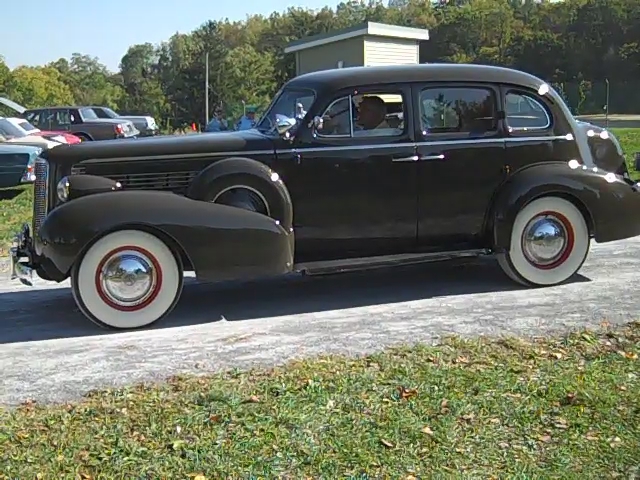
Certain areas of classic cars are notorious for developing rust. Regular inspection of these spots can catch problems early:
Floor Pans and Trunk Floors
These horizontal surfaces collect moisture from both above and below. Check underneath floor mats and spare tire wells where water accumulates unnoticed. Wet carpet that never fully dries creates the perfect environment for rust to develop from the inside out.
Owner Tip: Before buying any classic, pull back the carpet and push on the floor with your thumb. If it flexes at all, walk away or budget $2,000-5,000 for floor pan replacement.
Rocker Panels and Quarter Panels
These areas trap dirt, leaves, and road salt. Drainage holes often clog, allowing water to pool inside the panels. Surface rust quickly becomes structural rust in these critical areas.
Wheel Wells and Fenders
Constant exposure to road spray, stones, and salt makes wheel arches a primary rust location. Paint chips from road debris expose bare metal directly to the elements.
Window and Windshield Frames
Deteriorated rubber seals allow water to seep between glass and metal. This moisture gets trapped and causes rust to form along the window channels and A-pillars.
Hood and Trunk Edges
Water accumulates along these seams and in the folds of metal. Factory paint often didn’t adequately cover these areas, leaving vulnerable bare metal.
Prevention Strategies That Work
Proper Storage Makes All the Difference
Climate-controlled storage is the single most effective rust prevention measure. Keeping your classic car at consistent temperature and low humidity (below 50%) dramatically slows corrosion. If climate control isn’t possible, a well-ventilated garage beats outdoor storage or a damp basement.
Owner Tip: I keep a $30 Eva-Dry dehumidifier in my garage year-round. It pulls 6 ounces of water daily in summer. That moisture would otherwise be attacking my car.
Never use a car cover on a vehicle stored outdoors long-term. Covers trap moisture underneath and create a humid microclimate that accelerates rust formation. If you must store outside, a properly designed carport that allows air circulation is better than a cover.
Regular Washing with Proper Technique
Wash your classic car regularly, especially after exposure to rain, snow, or coastal air. Pay special attention to the undercarriage. Use a pressure washer on low setting to flush out wheel wells, frame rails, and rocker panels.
After washing, drive the car or let it run long enough to evaporate trapped water. Many owners make the mistake of washing their car then immediately covering it, trapping moisture underneath.
Undercoating and Rustproofing Products
Several approaches exist for protecting vulnerable areas:
- Fluid Film or Wool Wax: Annual application of lanolin-based products provides excellent protection without hardening. These penetrate seams and displace moisture. ($15-25 per can, 2-3 cans per car)
- POR-15 or similar encapsulating coatings: For areas with existing surface rust, these products seal metal from oxygen and moisture. Proper surface prep is critical. ($45 per quart)
- Cavity wax: Spray-applied wax protects inside panels, doors, and frame sections where rust starts unseen.
Avoid traditional rubberized undercoating on classic cars. It can trap moisture underneath and hide rust progression until serious damage occurs.
Address Paint Chips Immediately
Every paint chip is an invitation for rust to start. Keep touch-up paint matched to your car’s color code. Clean chips down to bare metal, apply rust converter if needed, prime, and paint. A few minutes of touch-up work can prevent hours of rust repair later.
Dealing with Existing Rust
Surface Rust
Catch it early and surface rust is manageable. Wire brush or sand down to clean metal, treat with phosphoric acid-based rust converter, prime with epoxy primer, and repaint. This stops progression before it becomes structural.
Scale Rust
When rust starts flaking and pitting the metal, more aggressive intervention is needed. Media blasting may be required to remove all traces. If the metal remains structurally sound, proper treatment can still save it.
Penetrating Rust
Holes in the metal require replacement sections or complete panel replacement. At this stage, attempting to patch over rust is temporary at best. Proper repair means cutting out affected metal and welding in new material.
Cost Reality Check: Full floor pan replacement on a Mustang or Camaro runs $2,500-4,000 in parts alone. Labor adds $3,000-6,000. Quarter panel rust repair averages $1,500-3,000 per side. These prices are from quotes I collected in late 2025.
Regional Considerations
Your location significantly impacts rust risk:
Salt Belt states: Winter road salt is extremely corrosive. Classic car owners in northern states should avoid driving in winter entirely or commit to immediate and thorough undercarriage washing after any exposure to salted roads.
Coastal areas: Salt air accelerates corrosion even without direct road salt contact. More frequent washing and protective coatings are essential within 10 miles of coastlines.
High humidity climates: Southern states with high humidity need dehumidifiers in storage areas. Moisture in the air alone can cause rust, even without rain exposure.
Desert climates: While dry air helps, desert-stored cars still rust from residual moisture in enclosed panels and from morning dew.
The Economics of Rust Prevention
Investing in rust prevention costs far less than rust repair. Annual rustproofing treatment runs $100-300 if you DIY, or $500-800 professionally. Compare that to $3,000-10,000+ for floor pan replacement, or $15,000-30,000+ for comprehensive rust repair on a seriously deteriorated classic.
The Hagerty Price Guide (January 2026) shows that rust-free examples command 20-40% premiums over cars with visible rust issues. For a $30,000 classic, that’s $6,000-12,000 in value directly related to rust condition.
Creating a Rust Prevention Schedule
Monthly: Visual inspection of common rust areas, check for new paint chips
Quarterly: Thorough washing including undercarriage, check drainage holes are clear
Annually: Apply cavity wax and undercarriage protection, detailed inspection on a lift
After any rain/snow exposure: Wash and dry thoroughly, especially undercarriage
Classic car ownership requires vigilance against rust. The cars we love were built before modern corrosion protection, making them vulnerable to the passage of time. With proper prevention, storage, and immediate attention to problem areas, you can keep your classic car solid for the next generation of enthusiasts.



Stay in the loop
Get the latest classic car craze updates delivered to your inbox.